Nokia Oyj (NOK): Outlook on Core Growth Engines, Emerging Risks, Bull vs Bear Case, and Long-Term Investor Value

Thank you for reading this post, don't forget to subscribe!
*Disclaimer: This content is for informational and educational purposes only and does not constitute financial advice, investment recommendation, or an offer to buy or sell any securities. Always conduct your own research or consult a licensed financial advisor before making investment decisions.
Introduction
Nokia Oyj (NYSE: NOK) remains one of the most recognizable names in global technology and telecommunications. Although many investors still associate Nokia with its historic dominance in mobile phones, the modern Nokia has transformed into a global provider of telecommunications infrastructure, cloud networking, optical systems, private wireless networks, and advanced digital infrastructure solutions.
Today, Nokia operates in a world increasingly driven by artificial intelligence, hyperscale data centers, industrial automation, cloud computing, and global connectivity demand. The company’s future is now tied less to consumer electronics and more to the long-term expansion of digital infrastructure.
Investors evaluating Nokia increasingly compare the company not only with traditional telecom infrastructure firms, but also with broader AI infrastructure and semiconductor ecosystem players.
Related Financial Compass reading: NVIDIA’s AI Dominance: A Growth Story with Long-Term Investment Potential
Core Growth Engines
1. AI Infrastructure and Data Center Networking
One of Nokia’s most important long-term opportunities is its growing role in AI-related infrastructure.
As artificial intelligence workloads expand globally, hyperscale data centers require:
- faster optical networking
- lower-latency communication systems
- cloud-scale routing infrastructure
- high-capacity data transmission
- energy-efficient network architecture
Nokia’s Network Infrastructure division increasingly benefits from rising AI-related data traffic.
The company has expanded its focus on:
- optical transport systems
- IP routing
- data center interconnects
- cloud networking infrastructure
- enterprise networking solutions
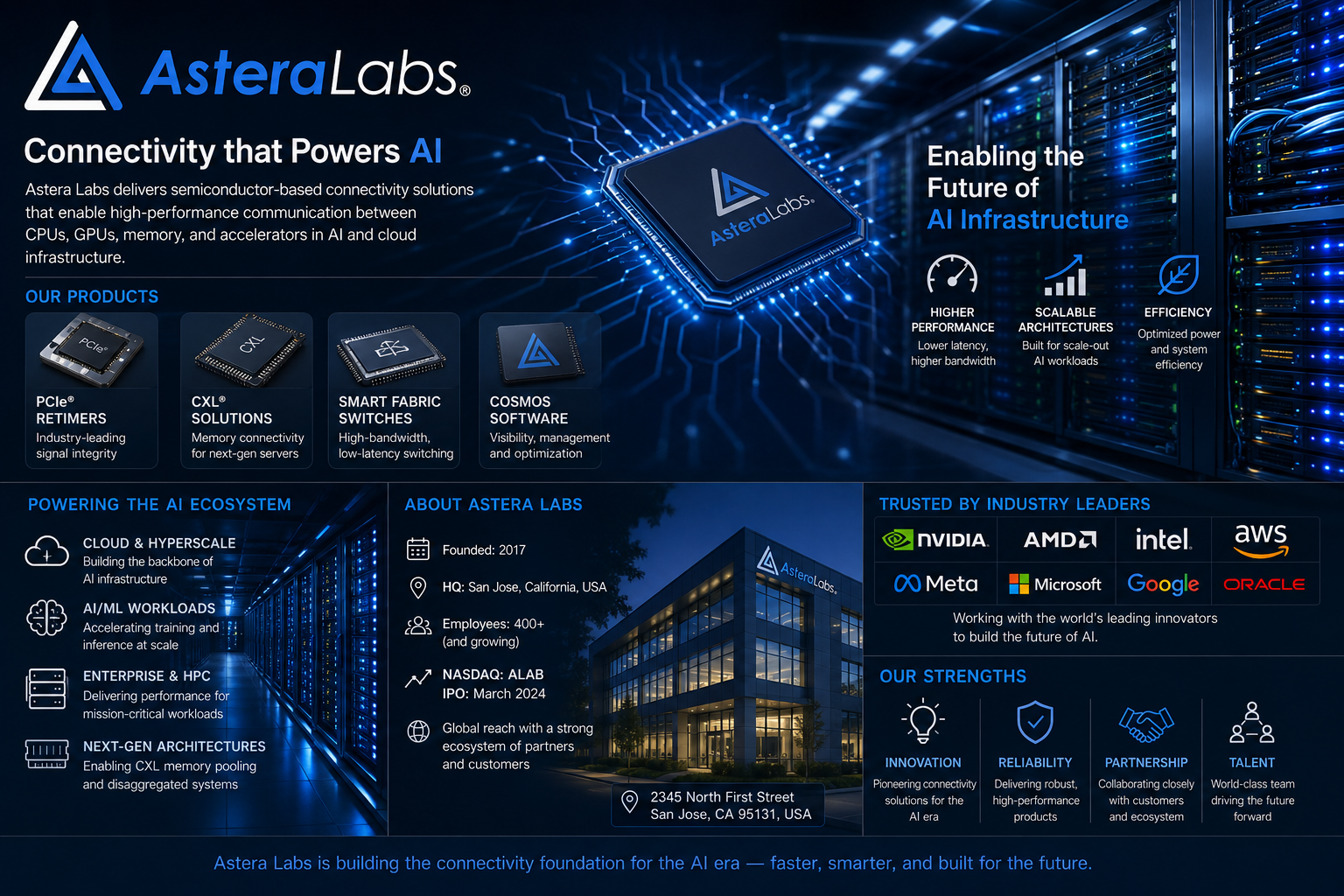
This positions Nokia within a broader ecosystem that includes semiconductor and AI infrastructure companies.
Related Financial Compass reading: CoreWeave, Inc. (CRWV): Outlook on Core Growth Engines, Emerging Risks, Bull vs Bear Case, and Long-Term Investor Value
2. 5G, 6G, and Global Connectivity Expansion
Nokia remains one of the world’s largest suppliers of telecommunications infrastructure.
The company provides:
- radio access networks (RAN)
- mobile core systems
- fiber broadband solutions
- wireless software infrastructure
- cloud-native telecom services
Global 5G deployment remains an important long-term growth driver despite short-term spending fluctuations among telecom operators.
Over the next decade, demand for:
- autonomous systems
- industrial IoT
- smart factories
- edge computing
- connected transportation
- machine-to-machine communication
could continue increasing the importance of advanced telecommunications infrastructure.
Nokia also maintains substantial long-term research exposure through Bell Labs, which remains active in next-generation 6G development.
Related Financial Compass reading: Arm Holdings plc (ARM): Outlook on Core Growth Engines, Emerging Risks, Bull vs Bear Case, and Long-Term Investor Value
3. Private Wireless Networks and Industrial Automation
Nokia has increasingly expanded into enterprise-focused private wireless networks.
Instead of depending solely on telecom carriers, the company now deploys dedicated industrial networks for:
- factories
- airports
- ports
- mining operations
- logistics hubs
- energy infrastructure
Industrial digitalization remains in relatively early stages globally.
This creates opportunities for Nokia to benefit from:
- automation growth
- industrial AI deployment
- predictive maintenance systems
- robotics integration
- smart manufacturing expansion
Compared with traditional telecom contracts, enterprise infrastructure deployments may offer stronger margins and more stable long-term relationships.
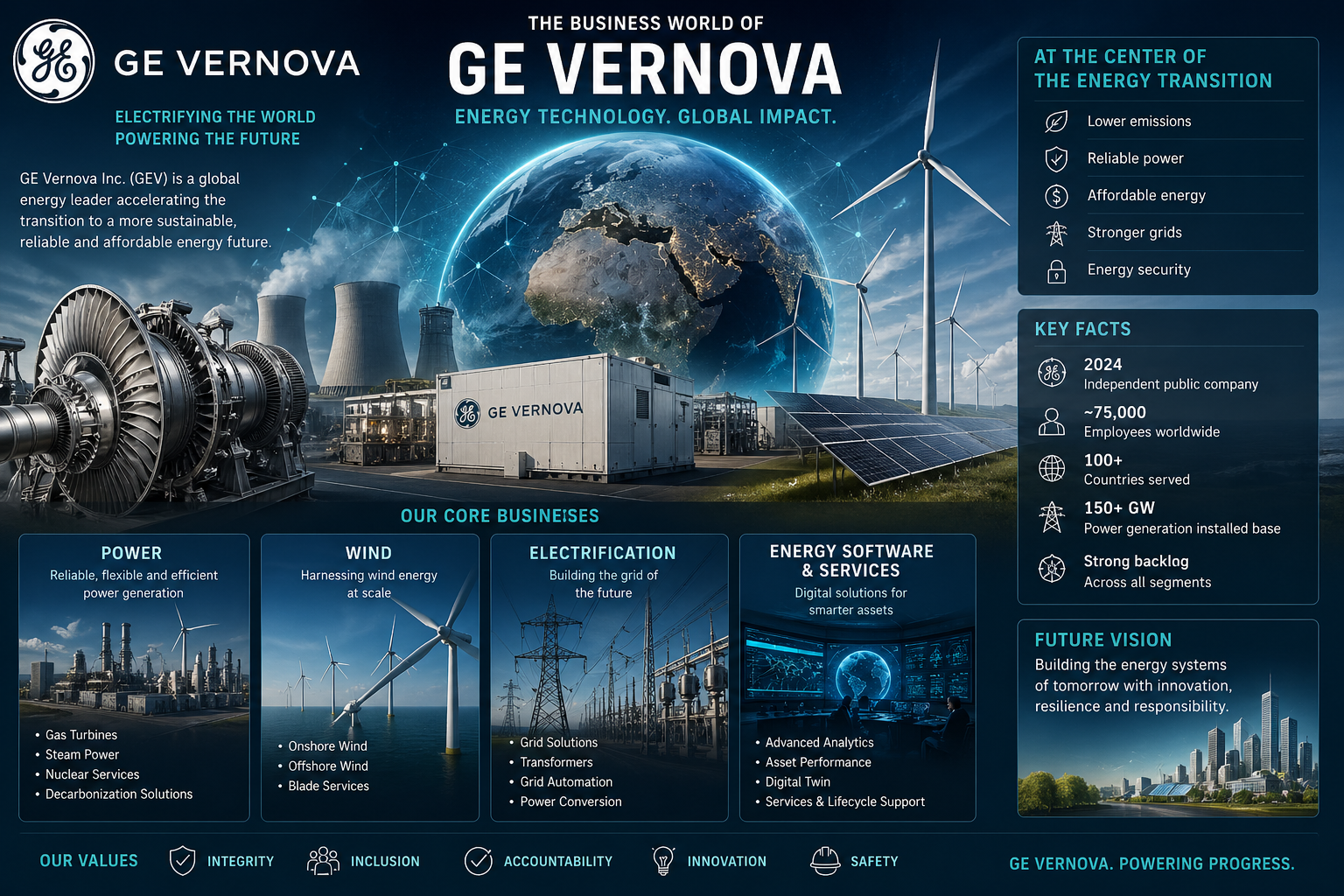
Related Financial Compass reading: GE Vernova Inc. (GEV): Outlook on Core Growth Engines, Emerging Risks, Bull vs Bear Case, and Long-Term Investor Value
4. Intellectual Property and Licensing Revenue
Nokia owns one of the largest telecommunications patent portfolios globally.
Licensing income remains strategically important because it:
- produces relatively high-margin cash flow
- diversifies revenue streams
- reduces dependence on hardware cycles
- strengthens long-term profitability
As connected devices expand globally through IoT ecosystems, patent monetization could become increasingly valuable.
This business model shares some similarities with technology firms that monetize intellectual property and standards-based infrastructure.
Related Financial Compass reading: Apple Inc. (AAPL) Outlook: Key Growth Drivers, Risks, Long-Term Value and Investor Sentiment
Emerging Risks and Challenges
1. Telecom Spending Cyclicality
Telecommunications infrastructure has historically been cyclical.
Carrier spending often rises sharply during major technology upgrade cycles and later slows after deployment phases mature.
This creates risks involving:
- weaker revenue growth
- margin compression
- inventory adjustments
- delayed customer spending
- lower network equipment pricing
Nokia remains exposed to global telecom capital expenditure trends.
Related Financial Compass reading: US Interest Rates & Liquidity: What Long-Term Investors Should Monitor
2. Competitive Pressure
Competition remains intense across telecom infrastructure and networking markets.
Nokia competes against:
- Ericsson
- Huawei – not publicly traded (no Yahoo Finance ticker)-> often appears only as “Huawei Technologies Co., Ltd.” in the news
- Cisco
- Juniper Networks, Inc. – the company is in the process of being acquired by Hewlett Packard Enterprise (HPE), so in the future the ticker may disappear after the deal is finalized
- emerging Open RAN providers
Pricing pressure remains one of the largest structural risks within telecom infrastructure.
Additionally, Open RAN architectures could gradually weaken traditional vendor lock-in advantages.
Related Financial Compass reading: Cloudflare, Inc.: Growth, Risks & Investor Outlook
3. Geopolitical and Regulatory Risk
Telecommunications infrastructure increasingly intersects with national security policy.
Nokia operates in an environment shaped by:
- export controls
- cybersecurity regulations
- geopolitical fragmentation
- trade restrictions
- government procurement policies
While restrictions on certain Chinese telecom providers have benefited Nokia in some Western markets, geopolitical fragmentation can also increase operational complexity and reduce global standardization.
Related Financial Compass reading: European Stocks Outlook for November 2025
4. Execution and Profitability Risk
Nokia has experienced periods of operational inconsistency over the past decade.
Long-term investor outcomes depend heavily on:
- management execution
- operating margin improvement
- product competitiveness
- software monetization
- capital allocation discipline
- successful AI infrastructure positioning
The company must continue improving efficiency while simultaneously investing heavily in research and infrastructure development.
Related Financial Compass reading: Palantir Technologies Inc.: Assessing Growth Drivers, Strategic Risks, and Long-Term Value Creation
Bull Case for Nokia
The bullish thesis for Nokia centers on the idea that the company is evolving from a traditional telecom equipment supplier into a strategic digital infrastructure platform.
Under this scenario:
- AI infrastructure demand accelerates
- enterprise networking grows rapidly
- private wireless adoption expands globally
- cloud networking spending rises substantially
- optical infrastructure demand increases
- Western governments continue diversifying away from Chinese telecom suppliers
Supporters of the bull case argue that Nokia may benefit from the convergence of:
- AI growth
- cloud expansion
- industrial automation
- hyperscale networking
- global digitalization
In this scenario, Nokia could eventually achieve:
- stronger free cash flow
- higher software-related margins
- more stable enterprise revenue
- improved shareholder returns
Related Financial Compass reading: NVIDIA Corporation (NVDA): Outlook on Core Growth Engines, Emerging Risks, Bull vs Bear Case, and Long-Term Investor Value
Bear Case for Nokia
The bearish perspective argues that telecom infrastructure remains structurally difficult due to:
- commoditized hardware
- intense pricing competition
- low switching costs in some network segments
- inconsistent carrier spending
- ongoing margin pressure
Critics also argue that:
- AI enthusiasm may not translate into sustained profitability
- telecom operators may continue reducing capital expenditures
- Open RAN may weaken incumbent vendor advantages
- networking hardware could remain lower-margin than software businesses
From this perspective, Nokia may struggle to generate the kind of long-term compounding returns seen in leading software or semiconductor companies.
Related Financial Compass reading: Bull vs Bear Case: Comparative Risk Assessment
Long-Term Investor Value Perspective
For long-term investors, Nokia represents exposure to global digital infrastructure rather than speculative consumer technology.
The company’s future value proposition depends on whether management can successfully capitalize on:
- AI infrastructure growth
- industrial automation
- cloud networking expansion
- enterprise connectivity demand
- next-generation wireless systems
- intellectual property monetization
Unlike many high-growth technology firms, Nokia operates in infrastructure-heavy industries with substantial barriers to entry.
At the same time, these industries often experience:
- slower growth
- capital intensity
- regulatory exposure
- cyclical investment patterns
Nokia may therefore appeal most to investors seeking:
- infrastructure diversification
- AI ecosystem exposure
- European technology exposure
- long-term telecom modernization trends
- dividend-oriented technology holdings
Related Financial Compass reading: Vanguard S&P 500 ETF (VOO): Growth, Risks & Investor Outlook – 2025 Edition
Conclusion
Nokia Oyj is no longer primarily a legacy mobile phone company. It has evolved into a major participant in global digital infrastructure, telecommunications modernization, enterprise networking, and AI-driven connectivity systems.
The company benefits from long-term structural trends involving:
- AI expansion
- cloud infrastructure growth
- industrial automation
- hyperscale networking
- next-generation wireless deployment
However, investors must also weigh meaningful risks involving competition, telecom cyclicality, geopolitical fragmentation, and execution challenges.
For patient long-term investors, Nokia may represent a strategic infrastructure-oriented technology investment rather than a pure high-growth technology stock. Its future success will likely depend on whether the company can successfully transition from cyclical telecom hardware dependence toward a broader ecosystem of software, AI networking, enterprise infrastructure, and recurring technology platforms.
Final related Financial Compass reading: Artificial Intelligence and the Future of Investment Strategy in the United Kingdom
*Disclaimer: This content is for informational and educational purposes only and does not constitute financial advice, investment recommendation, or an offer to buy or sell any securities. Always conduct your own research or consult a licensed financial advisor before making investment decisions.
Share this:

Discover more from The Finance Compass
Subscribe to get the latest posts sent to your email.